Dairy Farming: Definition, Types, and Milk Production Factors

Farming is the practice of raising animals with the purpose of producing products such as meat, milk, or eggs. However, dairy farming places its primary focus on the production of high-quality fresh milk. In addition, this type of farming requires different care compared to beef cattle farming. For this reason, farmers typically pay close attention to the cows’ health, barn hygiene, and proper feeding patterns to ensure optimal milk production.


Dairy farming is the activity of raising cattle specifically for producing milk, which is later processed into various products such as pasteurized milk, cheese, and yogurt. Although it may seem simple, the process requires knowledge of livestock management, animal health, and processing technology. Therefore, the success of dairy farming greatly depends on daily care and the consistent maintenance of feed quality.

Dairy livestock are not limited to cows; goats and buffaloes can also produce milk. Nevertheless, dairy cows remain the primary choice because they are capable of producing milk in large quantities. In addition, breeds such as Friesian Holstein and Jersey are well known for their high-quality milk. Therefore, selecting the right type of dairy livestock is one of the key steps before starting a dairy farming business.

Definition of Dairy Farming

Farming is the practice of raising animals with the purpose of producing products such as meat, milk, or eggs. However, dairy farming places its primary focus on the production of high-quality fresh milk. This type of farming requires different care compared to beef cattle farming. Farmers must pay close attention to the cows’ health, barn hygiene, and proper feeding patterns to ensure optimal milk production.


Dairy farming is the activity of raising cattle specifically for producing milk, which is later processed into various products such as pasteurized milk, cheese, and yogurt. Although it may seem simple, the process requires knowledge of livestock management, animal health, and processing technology. Therefore, the success of dairy farming greatly depends on daily care and the consistent maintenance of feed quality.

Milk Production Factors

Several factors influence the productivity and quality of milk in dairy farming:

  • Breed of Cattle – Certain breeds, such as Holstein Friesian, Jersey, and Brown Swiss, are known for their high milk yield.

  • Feed Quality – Nutritious and balanced feed, consisting of forage and concentrates, is essential for maintaining milk production.

  • Health Management – Regular veterinary check-ups, vaccinations, and disease prevention directly affect milk output.

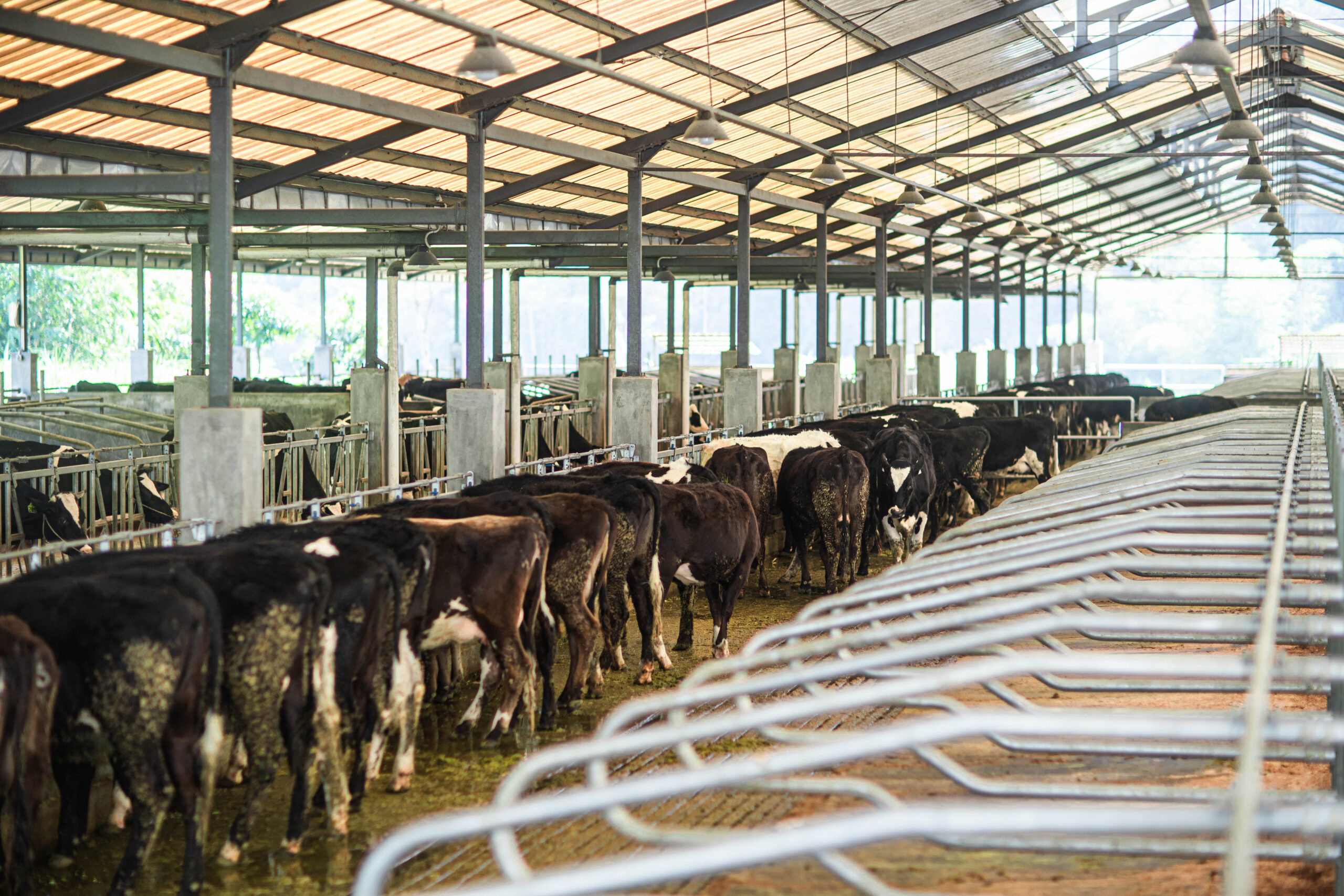
  • Housing and Hygiene – Clean, well-ventilated barns reduce the risk of infection and stress in cows.

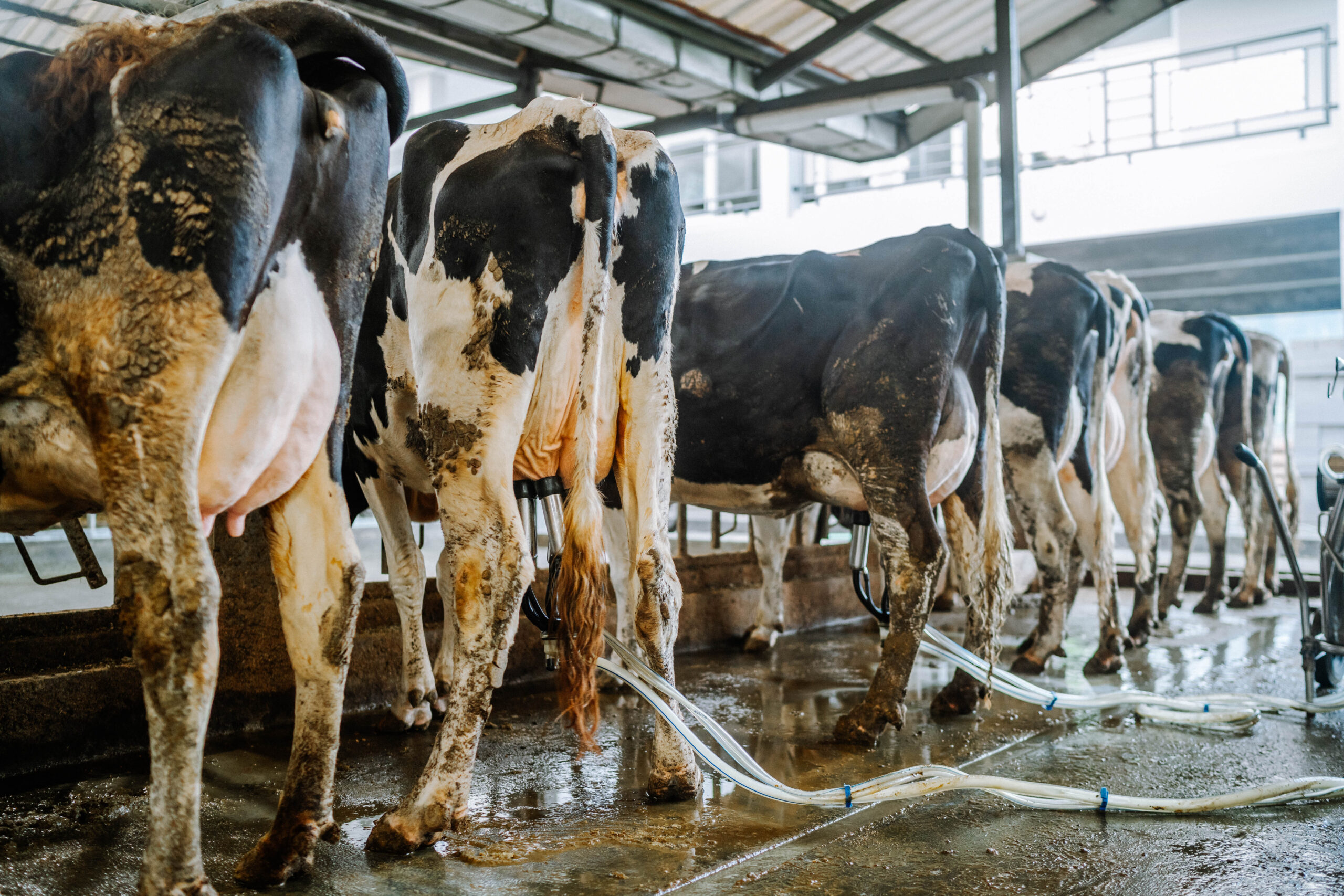
  • Milking Practices – Proper techniques and schedules ensure not only higher yields but also better milk quality.

  • Farmer’s Knowledge and Skills – The ability to manage livestock, adopt new technologies, and maintain discipline in daily routines plays a crucial role in productivity.

Conclusion

Dairy farming is more than just raising cows; it is a systematic activity that combines livestock management, animal health care, and technological application. With the right type of farming system and careful attention to the main factors of production, dairy farming can provide high-quality milk to meet market demands while supporting the welfare of both farmers and consumers

Tags : Cattle, Farming, Dairy Farmingh